
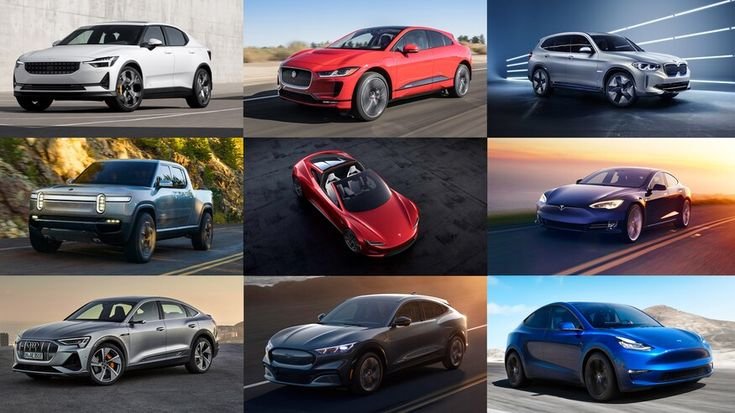
The electric car market has undergone a massive transformation over the past few years. In 2025, these vehicles are more advanced, practical, and accessible than ever. If you’re considering making the switch to an electric car. It’s essential to understand the key changes and benefits that come with this decision.
Whether you’re driven by the desire to reduce your carbon footprint or simply want a more cost-efficient driving option. This guide will cover everything you need to know before purchasing an electric car.
Table of Contents
1. A Broader Range of Electric Car Models
One of the most exciting developments in 2025 is the sheer variety of electric car models available. Whether you’re looking for a compact electric car for city driving. Whether an electric SUV for family trips, or a luxury EV with cutting-edge features. the market has something for everyone.
Major manufacturers like Tesla, Ford, and Nissan continue to innovate. While newcomers like Rivian and Lucid Motors are offering models that push the boundaries of design and technology. This variety allows buyers to find the perfect fit for their needs and budgets.
2. Advancements in Battery Technology and Driving Range
One of the key factors driving the adoption of electric cars is the significant improvement in battery technology. In 2025, most new electric cars offer between 300 to 500 kilometers per charge. With some high-end models exceeding 600 kilometers (373 miles).
This advancement has greatly alleviated range anxiety—a common concern for first-time EV buyers. Along with improved battery life, new technologies such as solid-state batteries offer even faster charging times. making long trips in an electric car easier and more convenient than ever.
3. Growing Electric Car Charging Infrastructure
In 2025, the charging infrastructure for electric cars has expanded dramatically. More public charging stations are now available, and fast-charging networks have made it possible to recharge an electric car to 80% in as little as 30 minutes.
At home, Level 2 chargers are more affordable and easier to install, allowing you to fully charge your electric car overnight. With improved access to public charging stations and route-planning apps, taking long road trips in an electric car is no longer a hassle.
4. Government Incentives for Electric Cars
While EV incentives are evolving, many governments still offer tax credits, rebates, or discounts for electric car buyers. These incentives can help offset the initial purchase price of an electric car, making them more affordable for a wider range of consumers.
It’s important to note that the specifics of these incentives vary by region. In some areas, you may also benefit from reduced registration fees, toll discounts, or access to HOV lanes for electric vehicles.
5. Lower Maintenance and Running Costs
One of the most significant advantages of owning an electric car is the lower maintenance costs compared to traditional gasoline vehicles. With fewer moving parts, no oil changes, and less wear on brakes due to regenerative braking, the maintenance needs of electric cars are minimal.
In addition to lower maintenance, electricity is typically cheaper than gasoline, which helps lower your running costs. Over the lifetime of the vehicle, these savings can make owning an electric car a more cost-effective choice than sticking with a conventional natural-gas vehicle
wanna make your car shine open this http://car-wash-shampoo
6. Advanced Technology in Electric Cars
Modern electric cars are not just eco-friendly; they are also packed with high-tech features. Many come with digital dashboards, voice assistants, and autonomous driving capabilities.That makes driving safer and more enjoyable.electrek.co
Additionally, over-the-air software updates allow electric car owners to receive performance enhancements, new features, and bug fixes without needing to visit a dealership. This constant innovation makes electric cars more than just a mode of transport—they are becoming part of the smart technology ecosystem.
7. Environmental Impact and Sustainability
Electric cars are often seen as a solution to reducing carbon emissions. By switching to an electric car, you’re contributing to cleaner air and less pollution, especially when you charge your vehicle using renewable energy sources such as solar power or wind energy.
However, it’s important to consider the full environmental impact. This includes how the car is manufactured and how the electricity is used to charge. It is expected to be produced in 2025. Many manufacturers are adopting sustainable production methods and using more recycled materials in the manufacturing process.
Conclusion: Is Now the Right Time to Buy an Electric Car?
With improvements in range, charging infrastructure, and technology, 2025 is an ideal time to buy an electric car. Whether you’re drawn to the environmental benefits or the cost savings, electric cars offer a wide range of benefits for modern drivers.
If you’re ready to make the switch, take the time to assess your needs, budget, and available incentives. With more choices than ever before, 2025 is the perfect year to embrace electric mobility.