
The Ultimate Guide to 5 Key Differences That Matter
Introduction: Why the Difference Between an SUV and a Crossover Matters
Introduction: Why It Matters
You’ve probably heard people toss around the terms “SUV” and “crossover” like they’re the same thing. Spoiler alert: they’re not. And the contrast between the two isn’t just about labels—it shapes how these vehicles drive, handle, and how fuel-thirsty they are. Let’s break it down and see what truly sets them apart.
Table of Contents
What Defines an SUV?
Traditional Truck-Based Construction
SUV stands for Sport Utility Vehicle. Traditionally, these are built using a body-on-frame design, similar to pickup trucks. Imagine stacking a heavy-duty Lego tower—that’s the structure style here.
Built for the Rugged Life
This makes SUVs great for rough terrain, towing heavy loads, and heading off-road. Think mountain paths, trailers, and outdoor adventures.
What’s a Crossover Then?
Car-Like Unibody Construction
A crossover, or CUV, has a different DNA. It’s built on a unibody platform—where the body and frame are one solid piece. This is similar to how sedans are made, giving it a lighter and more car-like behavior.
Urban-Friendly and Comfortable
Since crossovers are built for convenience and city life, keeping them clean with the right car wash shampoo helps maintain their sleek appearance
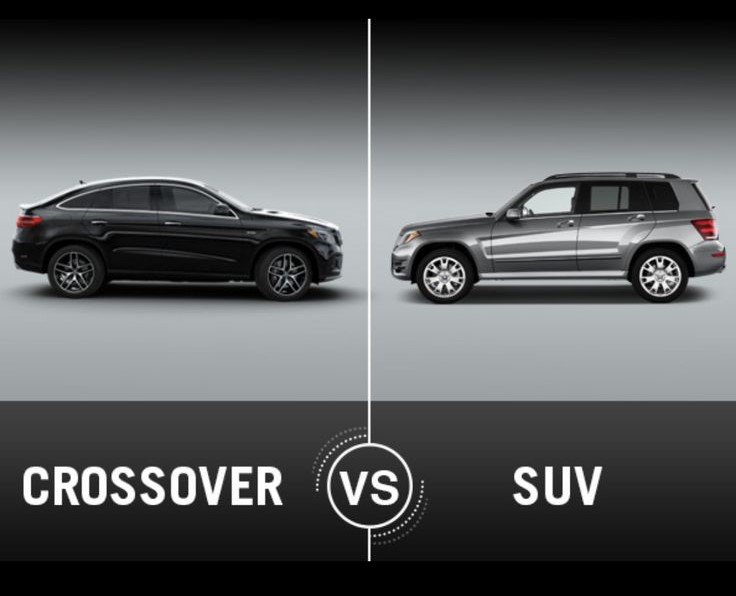
SUV vs Crossover: Main Distinctions
Construction Style
- SUVs: Body-on-frame (truck-based)
- Crossovers: Unibody (car-based)
Handling and Ride Quality
SUVs can feel heavier and more robust, while crossovers offer agile handling and a more comfortable everyday drive.
Fuel Consumption
Crossovers tend to consume less fuel, making them a better pick for budget-conscious or eco-aware drivers.www.fueleconomy.gov
All-Terrain Abilities
For off-road use, SUVs take the crown with better ground clearance and drivetrains geared for adventure.
Toyota Highlander vs Toyota 4Runner
Let’s compare two similar-looking vehicles with totally different backbones.
Platform Type
- Highlander = Crossover
- 4Runner = Traditional SUV
Everyday vs Off-Road Use
- Highlander suits families, daily commuting, and long highway trips.
- 4Runner handles rugged trails, camping, and towing with ease.
Which Is the Better Buy?
For Urban Drivers and Families
Go with a crossover. It’s easier to park, budget-friendly, and ideal for day-to-day needs.
For Adventure Lovers
Pick a true SUV. It’s built for power, durability, and the great outdoors.
Safety and Tech Features
Crossovers: Modern by Default
Being newer in design, most crossovers come loaded with advanced tech—think blind spot monitoring, adaptive cruise control, and seamless smartphone integration.
SUVs: Gaining Ground
Many SUVs are catching up in terms of tech, but also bring extra strength thanks to their robust build.
Interior Comfort and Cargo Space
Crossovers are smart with interior space, often feeling bigger than they are. SUVs, especially full-size ones, still lead when it comes to hauling passengers and gear.
Towing Capacity Comparison
Need to tow a trailer, boat, or camper? SUV wins, hands down. Their strong build and high torque engines are made for it.
Cost and Value
Crossovers tend to be more affordable in both purchase price and maintenance. SUVs offer more power but at a higher cost.
Market Trends
Crossovers are dominating sales charts. Their blend of SUV styling with car-like driving feels like the sweet spot for many drivers.
Eco Impact
Crossovers usually produce fewer emissions and burn less fuel. So if going green matters, they have the edge.
Why the Confusion Exists
Marketing plays a big role. Automakers often call crossovers “SUVs” because it sounds tougher and more capable. So the mix-up is partly intentional.
Conclusion: Choose Smart, Drive Confident
At the end of the day, understanding the contrast between SUVs and crossovers helps you make a better buying decision. SUVs bring power and off-road muscle. Crossovers offer comfort, fuel savings, and easy handling.
Your ideal vehicle? Depends on how and where you drive. Whether you’re conquering the outdoors or cruising the city, now you know what you’re really buying.
FAQs
1. Are crossovers better for city driving?
Yes. Their smaller size and smoother ride make them perfect for urban commutes.
2. Which type handles bad weather better?
Many crossovers now offer AWD, but SUVs still have the edge in extreme conditions.
3. Do crossovers last as long as SUVs?
With regular care, yes—but SUVs may endure more abuse due to their rugged build.
4. Can crossovers tow trailers?
Small ones, yes. But for heavy towing, go with an SUV.
5. Is a crossover technically an SUV?
Not exactly. Many crossovers are marketed as SUVs, but they’re built on car platforms.